hcmf// is thrilled to be teaming up with the Riot Ensemble on their project Zeitgeist. Together, we’ll be commissioning six composers to write new pieces for solo instruments, to be presented throughout a future edition of hcmf// shorts.
The Riot Ensemble launched Zeitgeist in response to the worldwide lockdown caused by Covid-19. In an attempt to keep music flowing and work for composers circulating, the group teamed up with Zeitgeist, an online gallery that presents contemporary work through a digital lens. Through the project, they’ve commissioned seven young composers across the globe, committing to performances of their work through Zeitgeist’s online space.
hcmf// is excited to be joining the Riot Ensemble in commissioning six further pieces for the Zeitgeist project, each written for a solo instrument. These pieces will be premiered at a future edition of hcmf// shorts, with videos of the performances shared online at a later date.
As the pandemic continues to bring about major complications for working musicians, we’re proud to join forces with the Riot Ensemble in finding practical solutions for artists, bringing about new paid opportunities for musicians, as well as unique showcases of their work.
Read more about the six artists we’ve selected for the new round of Zeitgeist Commissions below:
Matthew Grouse for percussionist Sam Wilson
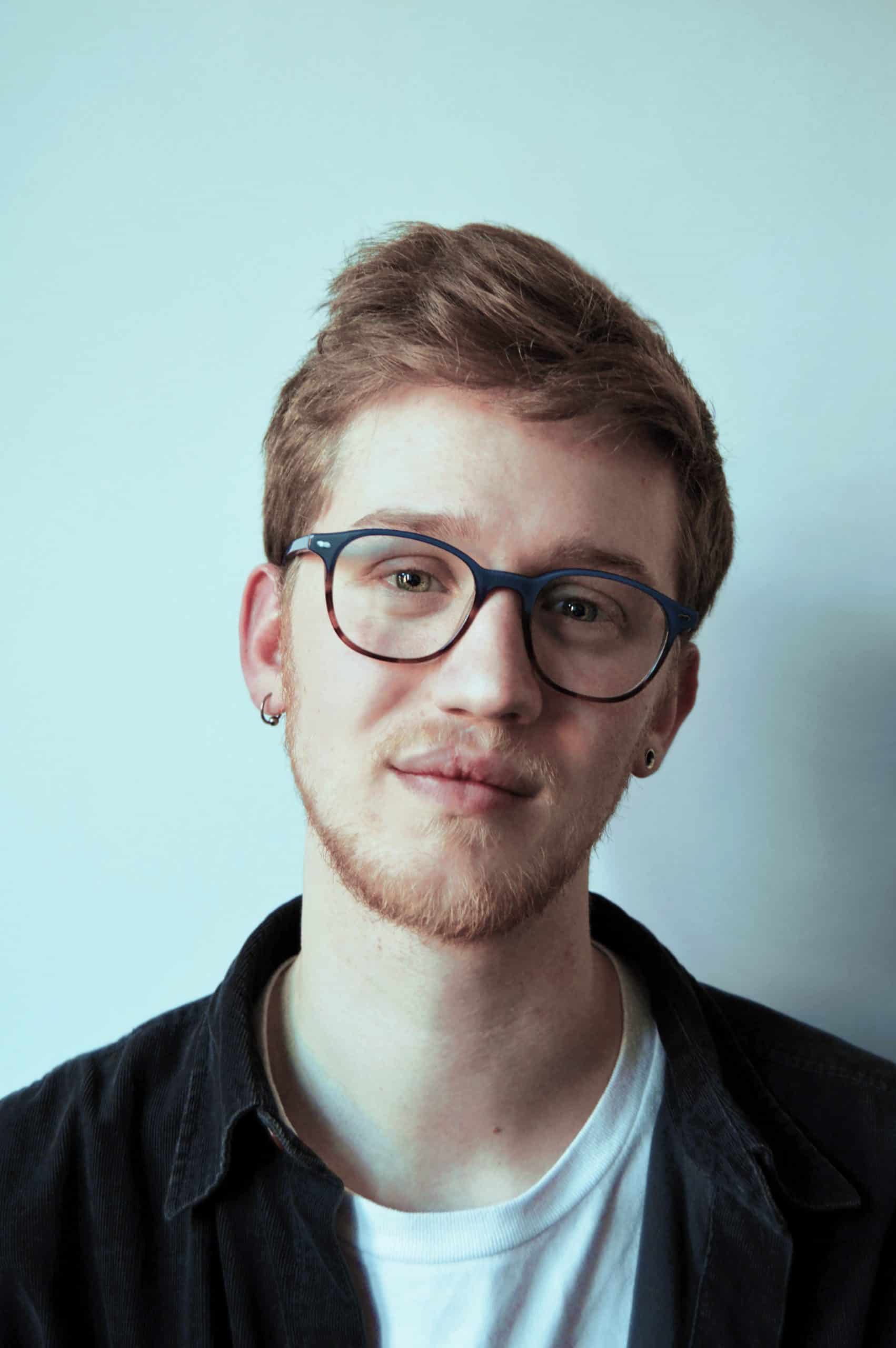
The music of Matthew Grouse finds itself between sound and information. Using traditional instrumentation, brash electronics and a variety of digital media, his work blows up the disquieting nature of augmented daily life. His 2018 album Palettes draws the listener in close with fragile ambience before exploding into harsh noise fanfare; his concert music, which has been performed by a wide range of renowned ensembles, plays with the same dynamic tension, pairing off tense murmurations with unapologetic bangs of sound.
Grouse’s work is frequently linked with new media: his new piece CONTACT, made in collaboration with Andy Sowerby, uses touch sense and electronically processed instrumentation. His work directly confronts harsher musical realities, with pieces such as CLIPPING investigating an unfiltered, unedited approach to field recording.
Anna Appleby for saxophonist Amy Green

Anna Appleby’s music has its own shape. Inspired by choreography, the Manchester-based composer’s work moves in its own, peculiar way, rising and falling with movements of the stage. With an emphasis on collaboration, Appleby writes music specific to her performer, interested in writing arrangements that play to their strengths.
Through this open approach to collaboration, Appleby has ended up swinging through musical styles, writing music for dance tropes, children and amateur choirs. She’s written fluid, spontaneous pieces for chamber groups, traditional verses for choir, and fully-blown orchestral works for ensemble. Beyond this body of work lies a never-ending trail of experimental music and wayward pop songs, formats that push beyond the limits of the concert hall – all the while maintaining the breathless pace of her compositions.
Auclair for bass clarinetist Ausiàs Garrigós Morant
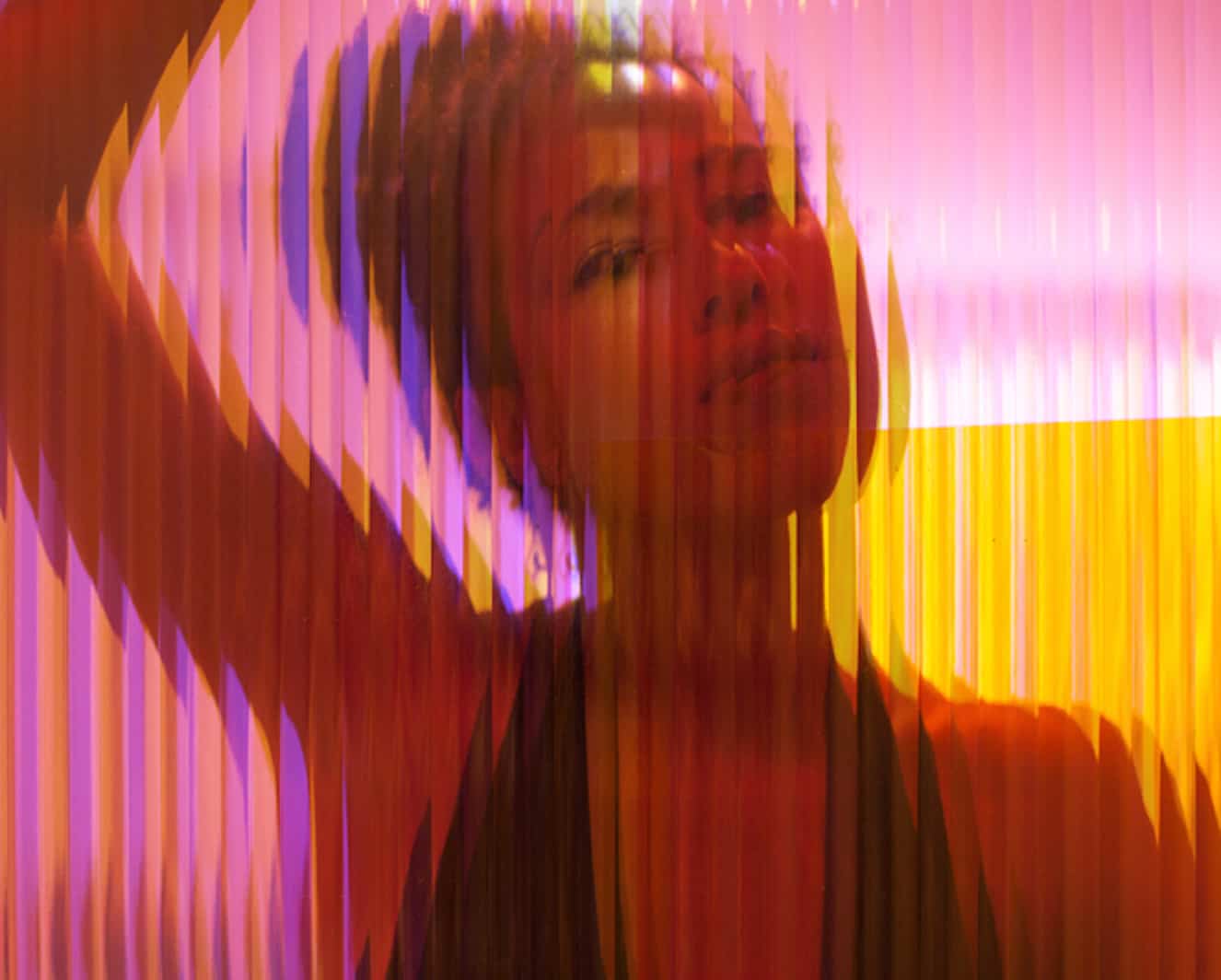
Photo (C) Sophia Schorr-Kon
Through treated vocals, glitched melodies and looping rhythmic pulses, Auclair makes a firm break with reality, installing surrealism into everyday life. Having made abstract electro-pop for labels such as Kit Records, her music has found a sweet spot between density and sparsity, playing noisy textures and hushed minimalism off of one another. Works such as In Waves sum up Auclair’s sound: moments of clarity are weaved through an otherwise surreal tapestry of daydreaming electronics and percussive cascades, her voice the only constant in an ever-changing world.
Auclair has appeared across a staggering range of projects. She was part of the bee-themed opera The Swarm, contributed to Beck’s Song Reader project, and has also taken part in a live rework of the Afro-Brazilian classic Black Orpheus. She has also explored sound art, drawing it into her composition with works such as Four Points Talk, a piece built from recordings of buildings, and Dawn Chorus Live, an exploration of birdsong with Marcus Coates.
Hannah Kendall for cellist Louise McMonagle

Photo (C) Chris Alexander
Hannah Kendall’s work exists at intersections. Connecting with poets, choreographers and art galleries, she finds new experiences to drive her compositions forward with. Her music is guided by communal culture and calls to action; her renowned 2016 chamber opera The Knife of Dawn told the story of Guyanese political activist Martin Carter, and was set entirely in the prison cell he was incarcerated in throughout 1953. The work is a stunning example of Kendall’s musical language: it weaves thoughtful, particular arrangements together with bold mission statements.
Teeming with detail, Hannah Kendall’s compositions layer together contradictions, wrapping up subtle arrangements with bombastic resolutions. She described her 2017 work Spark Catchers, written for the Proms, as containing a ‘driving kinetic energy’, but you’re just as likely to see appraisals of her music’s intricacy and richness. For its atmosphere and intensity, her work has received acclaim from BBC Radio and Classical Music Magazine.
Tonia Ko for violist Stephen Upshaw
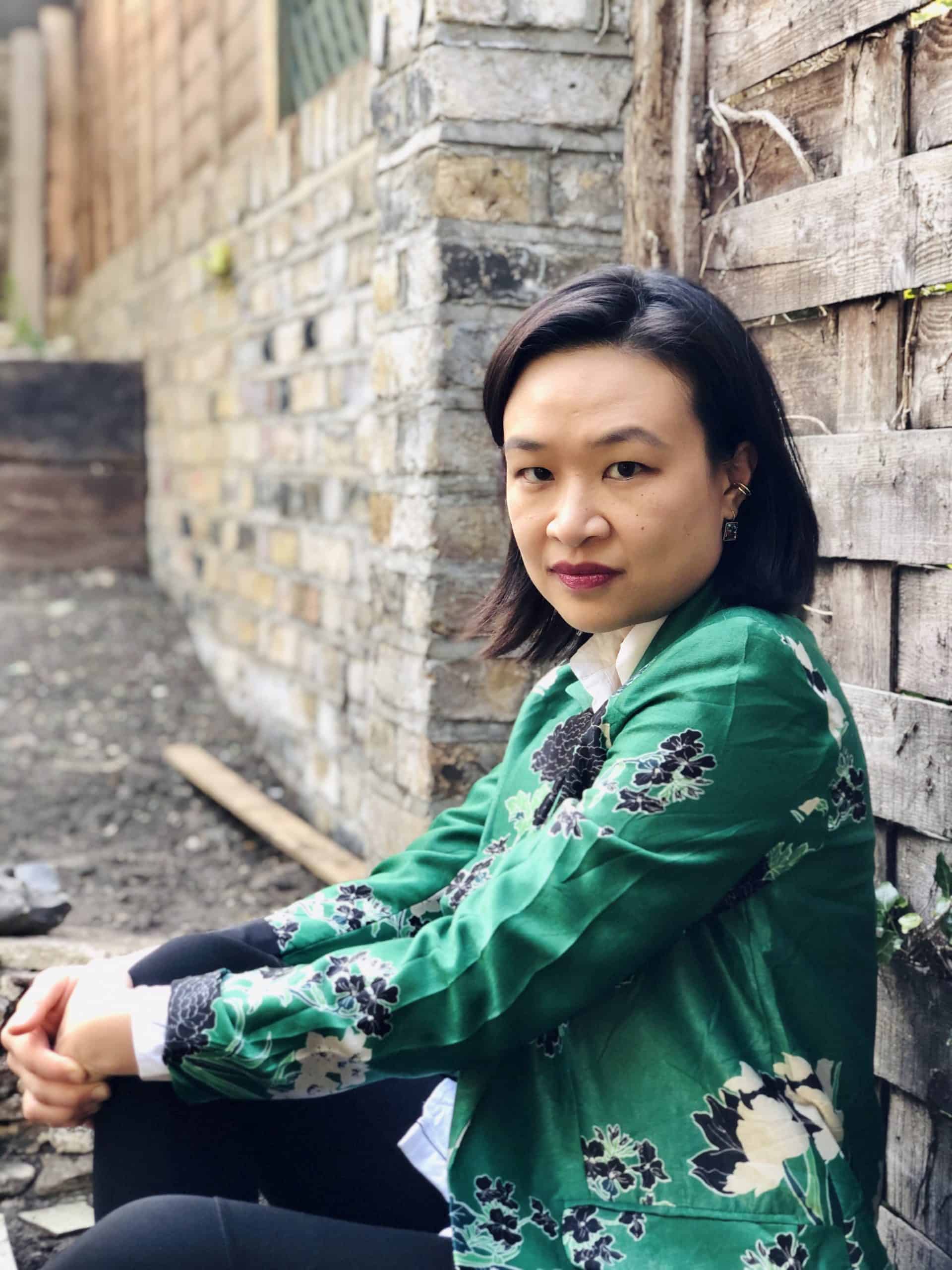
With a playful and questioning approach to contemporary music, Tonia Ko has established her own experimental style, one that investigates ideas of momentum and memory. Creating uniquely spatialized stage set-ups and slowly unfolding textures, Ko’s music looks and sounds very different, utilising ensembles in unprecedented ways. Pieces such as Simple Fuel and Flock ask their performers to interact in strange, ambiguous ways that speak to the emotions and sensations we go through, without knowing, every day.
Ko’s compelling style has led to major commissions and performances, including performances by the Minnesota Orchestra, while also giving her the opportunity to collaborate extensively with a range of like-minded artists, including experimental groups such as New Morse Code and Wild Up. She has continued to push her music beyond typical boundaries and structures, connecting her personal disciplines to sound art with Breath, Contained, a project primarily making use of bubble wrap.
Heloise Tunstall-Behrens for pianist Adam Swayne
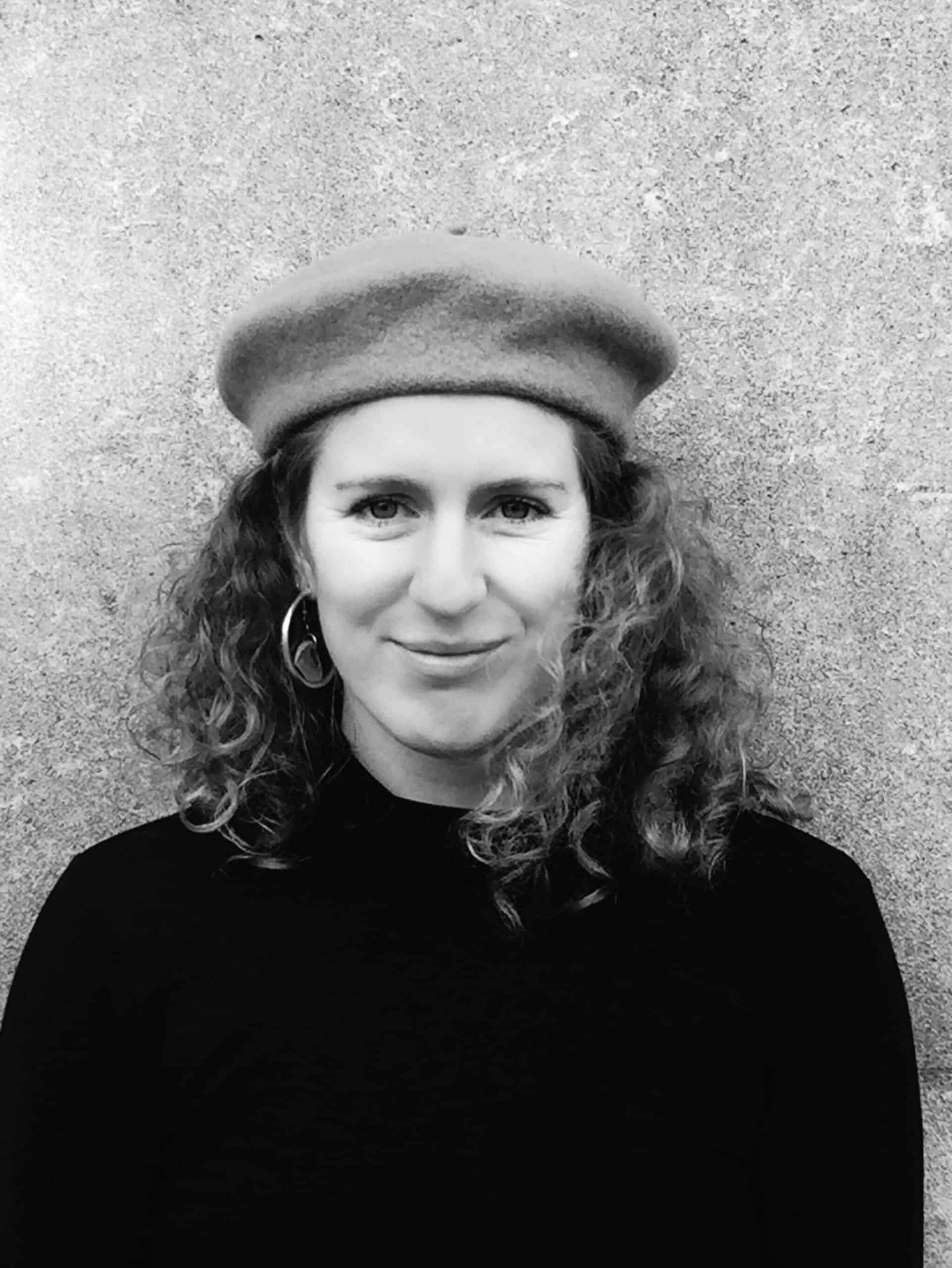
Heloise Tunstall-Behrens has made sound art, played in indie bands and written experimental operas. She’s interested in the sounds of community; one of her best known works, The Swarm, was an opera made by taking field recordings of bees making honey together. She recently spent time studying the flocking patterns of birds and learning folk songs in Georgia, and at hcmf// 2019 she premiered Petroglyph, a boundless new work for 66 loudspeakers that further developed her fascination with community sounds – contemplating the ‘archeo-acoustics’ of ancient tombs and ceremonial sites.
A singer and composer, Tunstall-Behrens replicates community in her own work, creating particular spaces for artists to come together. She is a member of the experimental Deep Throat Choir and has also played in pop groups such as Landshapes, as well as drone group Vertical Foilage. She carries the same energy and generosity of this work into her solo music, compounding resonant soundscapes with captivating storytelling.