
I never expected to work with plants.
I liked them as much as the next person —
I kept houseplants,
bought cut flowers,
enjoyed the feel of grass or sedum under my feet, etc.
I certainly wasn’t hugely knowledgeable about plants
and I didn’t really know any Latin names.
I had no appreciable experience besides growing the odd herb and vegetable.
I remember warnings about plants.
When I was growing up in Worcestershire,
we had a big old mulberry tree and a lot of yew trees in the garden.
We were warned not to go and eat all the mulberries.
We would go out to play and return to the house with purple stains on our faces
and on our t shirts
and deny that we went anywhere near the mulberry tree.
There were also grave warnings about the yew trees –
how deadly poisonous they were and how I was not to go anywhere near them,
let alone touch them.
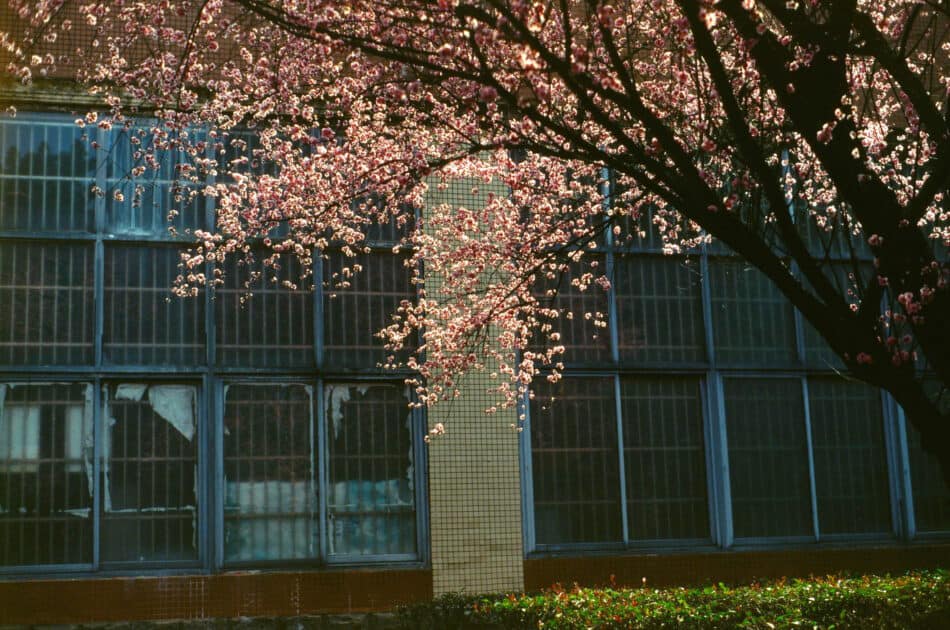
Thirty years later, yew trees helped save my life.
And, at the same time, brought me close to death.
With fascinating associations with immortality, druidry, and churchyards,
Yew trees offer potent anti-cancer compounds which,
when harvested (and now synthesised),
are used in taxane chemotherapy drugs such as Docetaxel.
As a way of coming to terms with my very challenging cancer treatment,
especially regarding my experience of Docetaxel,
I began learning about ancient and sacred Yews
and many other anti-cancer plants.
I became very interested in the natural derivations of pharmaceutical drugs.
I hadn’t realised that so many chemotherapy agents
had natural roots, so to speak.
I liked learning about the medicinal plants,
their uses,
their associated stories.
I contacted leading botanist Dr Sandy Knapp and
together we took a trip to the Chelsea Physic garden
to explore the possibility of
making music with the same plants that our cancer drugs came from.
I really wasn’t expecting to enjoy it as much as I did.
Plants are improvisers:
responsive improvisers who play with themes and motifs
but offer new variations and materials
each time you connect with them.
They ‘play’ differently in the day to the night
and depending on the weather.
Working with a host of biodata,
with a focus on physiological activity readings,
I now make a lot of music with medicinal and edible plants.
Different textures and qualities come with age.
Ancient Yews provide toxic drones which hold immortally steady.
The youngest of Chardonnay vine budburst,
on the other hand,
excitedly pipe out peppery rhythms and fast-moving phrases.
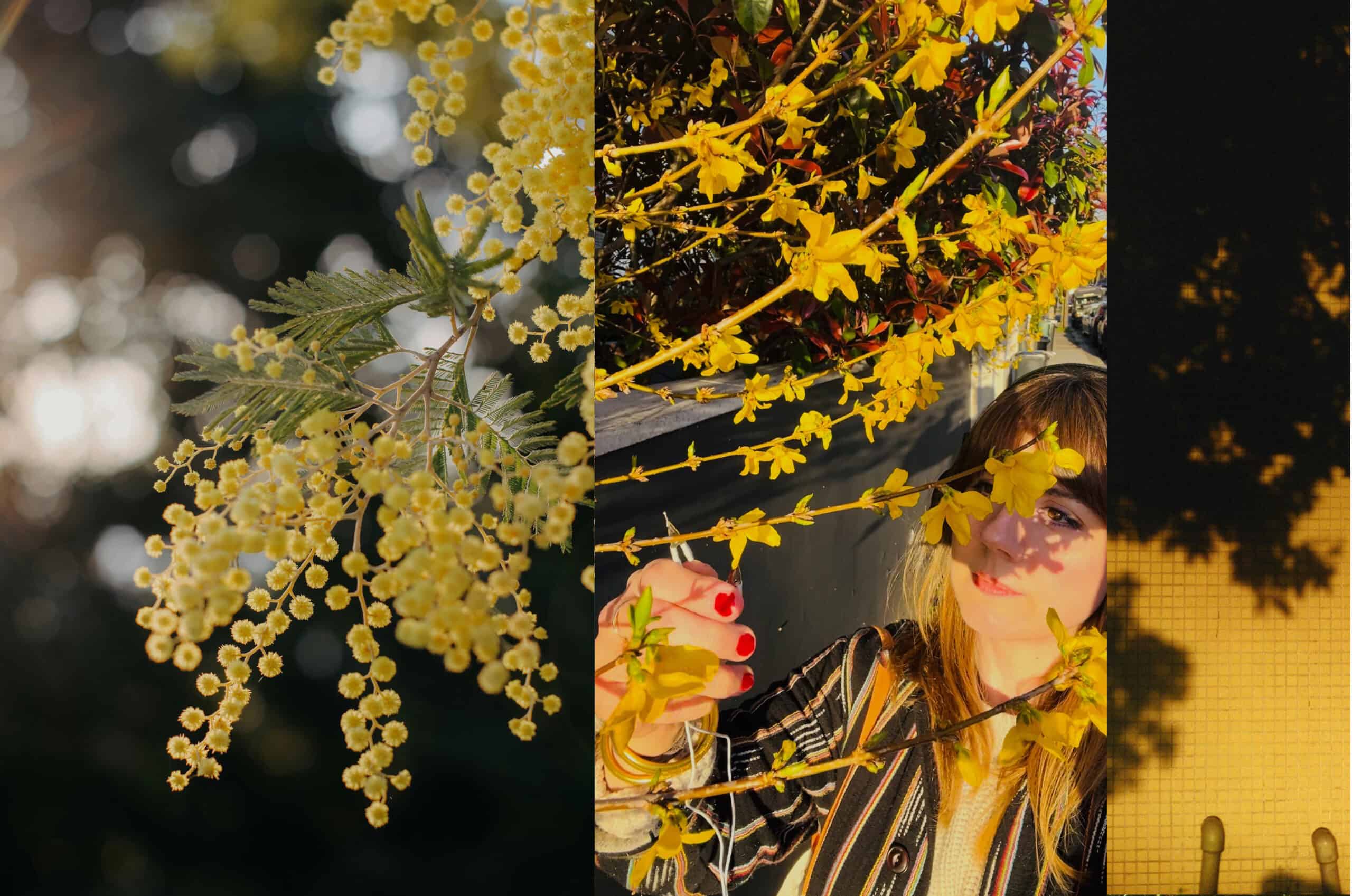
I’m careful to delete most of my plant recordings.
I let them go so that I don’t fall into repeated traps,
becoming stale.
I select,
discard,
assess,
read,
discuss,
collate,
transform,
sonate.
I’m not that interested in pure sonification.
I prefer to work with plant data,
applying Western and South Asian compositional techniques,
to create an interspecies music:
an unrepeatable co-creation.
I’m currently composing a new set of works
made entirely from the Solanaceae family,
otherwise known as the nightshades.
This family includes tomatoes,
tobacco,
devil’s trumpets,
aubergines,
and night flowering jasmine.
It’s been interesting to think through the potent spectrum
of properties that this family exhibits,
from deadly toxicity to health-promoting nourishment,
and the importance of the number 5.
Solanaceae have
5 stamen,
5 united sepals,
and 5 united petals.
All these qualities and details are crucial to the music I’m composing
and will be audible,
in some shape and form,
when the music is performed for the first time later this year.